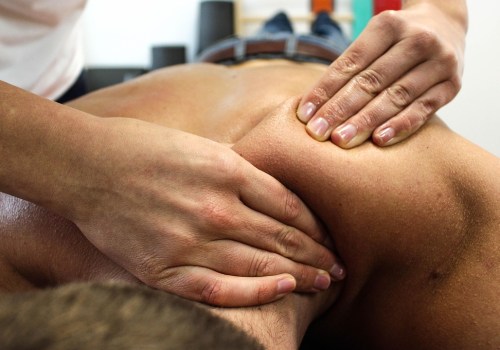
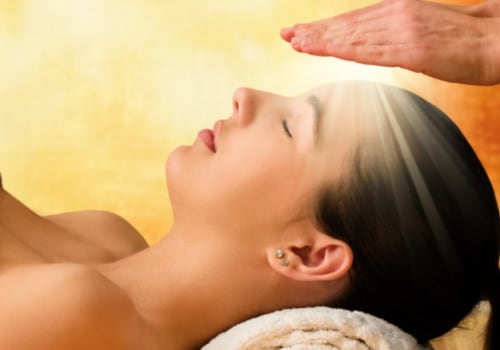
Reiki is a complementary wellness practice that involves a practitioner placing their hands lightly on or above a person's body with the intention of promoting relaxation and a sense of balance. Some people seek Reiki as a calming experience or as an opportunity to pause from the demands of everyday life. However, Reiki should not be considered a replacement for medical treatment, psychological care, or other evidence-based healthcare services. Its potential role is better understood as one element within a broader personal wellness routine. Individuals can explore complementary practices while continuing appropriate healthcare and maintaining realistic expectations about what these practices can and cannot accomplish.
Creating Space for Relaxation
Modern schedules can make it challenging to find time for rest. Work, family responsibilities, social obligations, and digital distractions can contribute to a sense of constant activity. Reiki sessions may provide some individuals with dedicated time to slow down and focus on relaxation. The quiet environment and intentional pause can be valuable even when the specific effects of Reiki vary from person to person. Similar benefits of creating moments of calm may also be pursued through meditation, deep breathing, gentle stretching, reading, listening to music, or spending time outdoors. Building regular opportunities for relaxation can support a healthier balance between responsibilities and personal needs.
Connecting Physical and Emotional Wellness
Personal wellness involves both physical and emotional health. Stress can influence sleep, energy, concentration, muscle tension, and mood, while physical discomfort or illness can create emotional challenges. A comprehensive approach recognizes these connections without assuming that every physical symptom has an emotional cause. Reiki may be used by some individuals as a complementary relaxation practice, while other concerns may require evaluation by qualified healthcare professionals. Maintaining regular physical activity, eating nutritious foods, getting sufficient sleep, staying socially connected, and addressing health concerns appropriately can provide a stronger foundation for overall well-being than relying on any single practice.
Supporting Emotional Well-Being
Complementary wellness practices can sometimes provide an opportunity for reflection and self-awareness. However, people experiencing persistent anxiety, depression, overwhelming stress, or other mental health concerns may need professional support rather than relying exclusively on relaxation techniques. Psychological care can help individuals understand emotional patterns, develop coping strategies, and address challenges that affect daily functioning. When appropriate, Cabot Psychological Services can be part of a broader network of professional support for individuals seeking assistance with emotional and mental well-being. Combining professional psychological care with personally meaningful wellness practices can help create a more balanced approach to managing everyday challenges.
Building a Sustainable Wellness Routine
A comprehensive personal wellness plan does not need to be complicated. Individuals can begin by identifying habits that support their physical health, emotional resilience, relationships, and sense of purpose. Reiki may fit into this routine for those who find the practice relaxing, provided it is approached as a complementary activity rather than a substitute for necessary healthcare. Other practices, such as mindful breathing, regular movement, healthy nutrition, sufficient sleep, and enjoyable hobbies, can provide additional sources of balance. It is also important to communicate with healthcare professionals about significant symptoms or health changes. Ultimately, Reiki can fit into personal wellness by providing some people with a structured opportunity to relax and reconnect with themselves. A whole-person approach keeps the focus on sustainable habits, appropriate professional care, emotional health, and realistic expectations. By combining complementary practices with healthy lifestyle choices and evidence-based healthcare, individuals can create a personalized wellness routine that supports relaxation, resilience, and overall quality of life.