Self-care is often associated with relaxing activities, but a truly balanced routine can also include preventive healthcare, healthy habits, and regular attention to physical well-being. Dental care is an important part of that picture because healthy teeth and gums contribute to comfort, confidence, and everyday quality of life. At the same time, some people include complementary wellness practices such as Reiki in their personal routines to encourage relaxation and mindfulness. A dentist visit and a Reiki session serve very different purposes, but both can have a place within a broader self-care plan when each is approached appropriately.
Prioritizing Preventive Dental Care
Regular dental appointments are one of the most practical ways to care for oral health. Routine examinations give dentists an opportunity to identify cavities, gum problems, worn enamel, bite concerns, and other issues that may not yet be causing noticeable symptoms. Professional cleanings can also remove plaque and tartar buildup that brushing and flossing alone may not completely address. Scheduling regular visits with a dental practice such as Zen Triangle Dentistry Cary can make oral healthcare a consistent part of a larger wellness routine rather than something reserved only for emergencies or tooth pain. Preventive care may also help reduce the likelihood of small dental problems becoming more complicated over time.
Adding Relaxation to a Wellness Routine
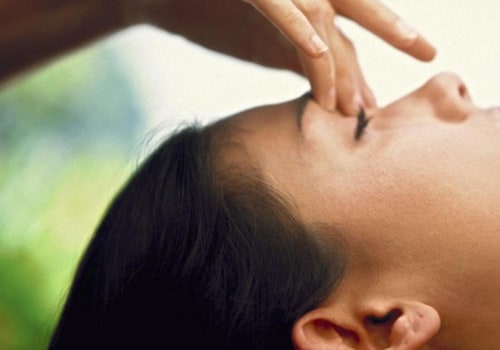
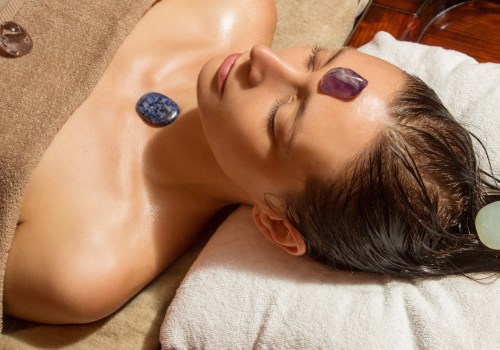
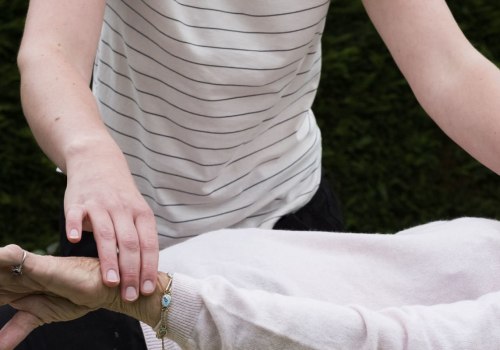
While dental care focuses on oral health, Reiki is generally used as a complementary practice centered on relaxation and personal well-being. Some people choose Reiki because they appreciate having quiet time to slow down, disconnect from daily responsibilities, and focus on feeling calm. It should not replace professional dental or medical treatment, but it may be included alongside evidence-based healthcare as part of an individual's preferred approach to relaxation. People who find dental appointments stressful may also benefit from developing calming routines before or after their visit, whether that involves Reiki, meditation, breathing exercises, gentle stretching, or another activity they find soothing.
Managing Stress Around Dental Visits
Dental anxiety is common, and stress can sometimes make people postpone appointments even when they know preventive care is important. Creating a broader self-care routine may help change the way a dental visit is perceived. Instead of treating the appointment as an isolated obligation, a person might schedule it alongside other positive wellness activities. For example, they could plan a relaxing Reiki session, take a quiet walk, enjoy a nutritious meal, or set aside time to rest later in the day. Anyone experiencing significant dental anxiety should also communicate directly with the dental team, as dentists may be able to suggest practical ways to make the appointment more comfortable.
Creating Consistent Self-Care Habits
A sustainable wellness plan usually depends more on consistency than occasional intensive efforts. Dental checkups, daily brushing and flossing, nutritious food, physical activity, sufficient sleep, and stress-management practices can all become regular parts of the same routine. Keeping appointments on a calendar and setting reminders can help prevent important health needs from being forgotten when schedules become busy. Reiki sessions or other relaxation practices can similarly be scheduled when they provide a meaningful opportunity for rest.
Balancing Professional Care and Personal Wellness
A comprehensive self-care routine does not have to focus on only one aspect of well-being. Professional dental care can address oral health needs through examinations, cleanings, diagnosis, and treatment, while Reiki may serve as a personal practice for relaxation and mindfulness. Recognizing the different roles of these activities creates a more balanced approach. By combining preventive healthcare with healthy daily habits and intentional opportunities to relax, individuals can develop a self-care plan that supports both physical health and a greater sense of personal well-being.